
TMJ & Jaw Pain Treatment in Napoleon, OH
Clicking, popping, tension headaches, a jaw that aches by afternoon — you don't have to live with it. Relief starts with a diagnosis.
When Your Jaw Runs Your Day
Your temporomandibular joints (TMJ) — the hinges connecting your jaw to your skull — are among the hardest-working joints in your body. When they're irritated, inflamed, or strained by clenching and grinding, the result is TMJ dysfunction (TMD): jaw pain, clicking, limited opening, ear discomfort, and headaches that can shadow your entire day.
The frustrating part? Many people bounce between doctors for years before learning their headaches trace back to their bite. At Ekko Dental Studio, Dr. Keiser evaluates your jaw, bite, and muscle patterns to find the source — then treats it conservatively, starting with the gentlest therapies that work. Advanced training in sleep medicine appliances and therapeutic Botox® gives our Napoleon patients options that go well beyond "try to relax."
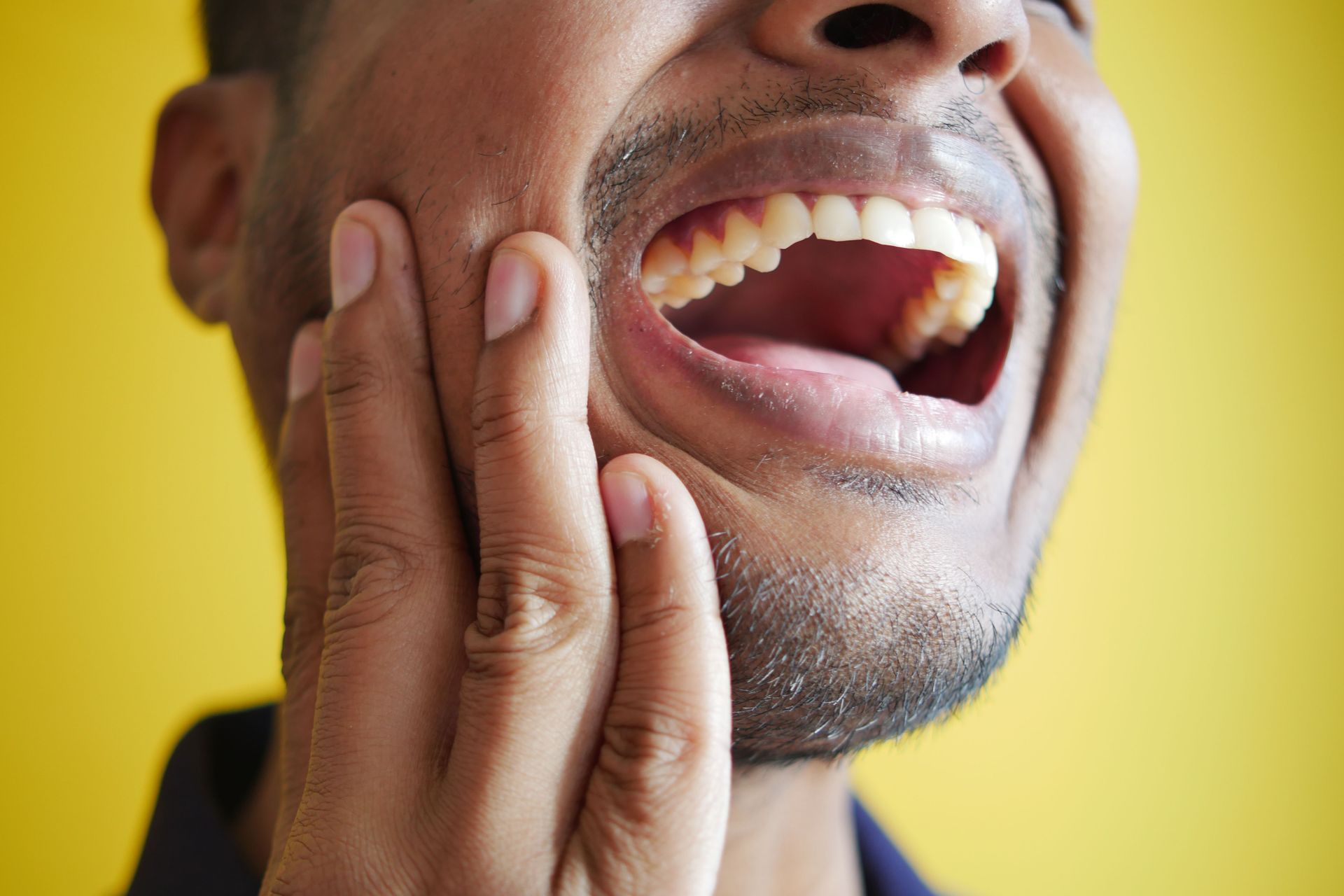
Signs of TMJ Dysfunction
You may be dealing with TMD if you notice:
Jaw pain, tightness, or fatigue — especially in the morning or after meals
Clicking, popping, or grating sounds when you open your mouth
Frequent tension headaches or migraines
Ear pain, pressure, or ringing without an ear infection
A jaw that locks, catches, or won't open fully
Worn, flattened, or chipped teeth from nighttime grinding
Your Path to Relief
Taken Seriously, Treated Gently
TMJ patients often arrive having been told it's stress, or all in their head. We start by believing you — then finding the mechanism.
Comprehensive bite and joint evaluation, not a quick glance
Multiple treatment tools: custom appliances, therapeutic Botox®, bite adjustment
Conservative-first philosophy — surgery-free relief is almost always possible

TMJ FAQs
What causes TMJ jaw pain?
Common culprits include nighttime clenching and grinding, stress-related muscle tension, bite misalignment, arthritis in the joint, or injury. Often it's a combination — which is why an accurate evaluation matters more than a one-size-fits-all night guard.
Can a dentist treat TMJ?
Yes — dentists are typically the primary providers for TMJ dysfunction, since the joint, bite, and teeth are so interconnected. Dr. Keiser treats TMD with custom oral appliances, bite therapy, and therapeutic Botox.
Does Botox really help TMJ?
For many patients, significantly. Botox injected into overactive jaw muscles reduces the force of clenching and grinding, easing pain and tension headaches for three to four months per treatment. It pairs well with a night guard for long-term management.
Will my TMJ go away on its own?
Mild flare-ups sometimes settle with rest and soft foods. But persistent symptoms — daily pain, clicking, locking, headaches — tend to worsen without treatment as grinding damages teeth and strains the joint further. Earlier care means simpler care.
What's the difference between TMJ and TMD?
TMJ is the joint itself (everyone has two); TMD is the disorder affecting it. In everyday use, "TMJ" has become shorthand for the condition — either way, we know what you mean, and we can help.
Related Services
Tired of Waking Up Sore?
Schedule a TMJ evaluation and let's find the source of your jaw pain — and the way out of it.