
Dental Inlays & Onlays in Napoleon, OH
When a cavity is too big for a filling but doesn't need a full crown, there's a beautifully conservative middle ground.
The Middle Ground Your Tooth Deserves
Not every damaged tooth fits neatly into "filling" or "crown." Inlays and onlays fill the space between: custom-crafted porcelain restorations that repair moderate decay or damage while preserving far more of your natural tooth than a crown requires.
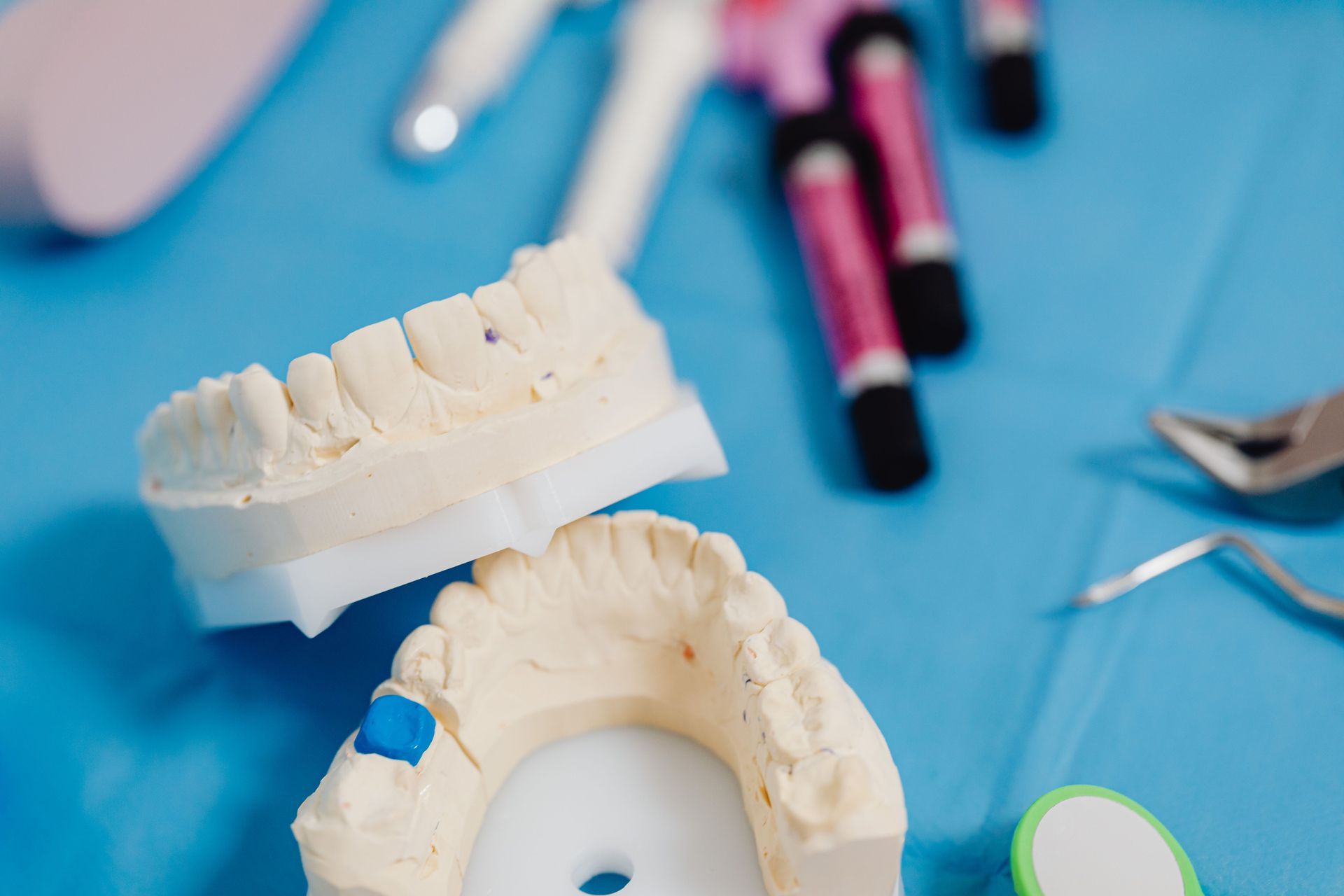
An inlay fits precisely within the grooves of a tooth's chewing surface — like a puzzle piece. An onlay extends further, covering one or more of the tooth's cusps (sometimes called a "partial crown"). Both are bonded permanently, color-matched to your smile, and remarkably durable. At Ekko Dental Studio, we'll always recommend the most conservative restoration that truly protects your tooth.
Why Choose an Inlay or Onlay?
An inlay or onlay may be your best option when:
A cavity or fracture is too large for a dependable filling
The tooth is strong enough that a full crown would remove healthy structure unnecessarily
You want a longer-lasting alternative to a large composite filling
An old, failing filling needs a sturdier replacement
You grind or clench and need a restoration that holds up under pressure
You want a natural, color-matched result that's virtually invisible
What to Expect at Your Visit
Conservative by Conviction
Our philosophy is simple: keep as much of your natural tooth as we responsibly can. Inlays and onlays are one of our favorite tools for doing exactly that.
Honest recommendations — never more restoration than the tooth needs
Durable porcelain, custom color-matched to disappear into your smile
Comfort-first visits, from numbing to polish

Inlay & Onlay FAQs
What's the difference between an inlay and an onlay?
An inlay fits inside the grooves of the tooth's chewing surface; an onlay covers more territory, extending over one or more cusps. Your dentist chooses based on how much of the tooth needs reinforcement.
Inlay vs. filling — which is better?
For small cavities, a composite filling is quick and effective. For larger areas of decay, an inlay is stronger and longer-lasting because it's fabricated as one solid, custom-fit piece rather than shaped in place.
Onlay vs. crown — how do I choose?
A crown covers the entire tooth, which requires reshaping it all the way around. If enough healthy tooth remains, an onlay protects the damaged portion while leaving the rest untouched. We'll show you the images and recommend the most conservative option that will truly last.
How long do inlays and onlays last?
With good brushing, flossing, and regular checkups, porcelain inlays and onlays commonly last 10–15 years or more — often outlasting large fillings.
Does insurance cover inlays and onlays?
Describe the item or answer the question so that site visitors who are interested get more information. You can emphasize this text with bullets, italics or bold, and add links.
Related Services
Let's Find the Right Fix — No More, No Less.
Schedule a visit and we'll recommend the restoration that protects your tooth and preserves your smile.